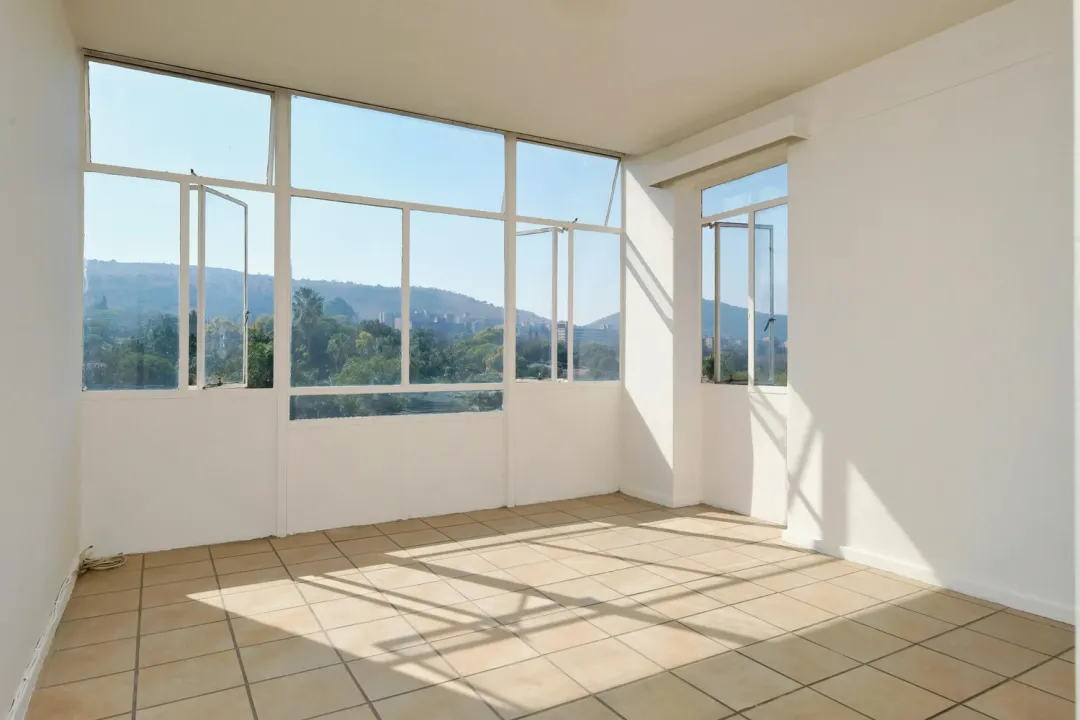
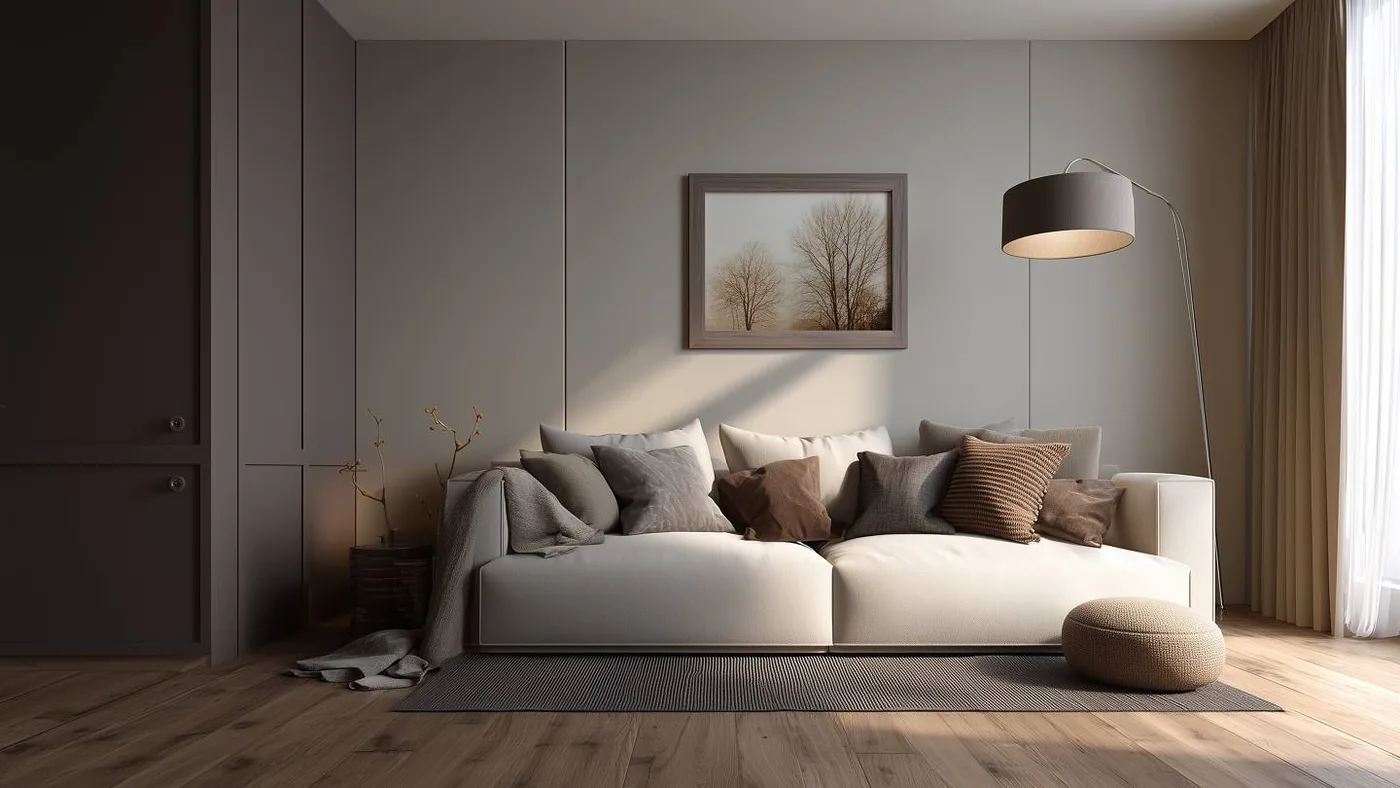
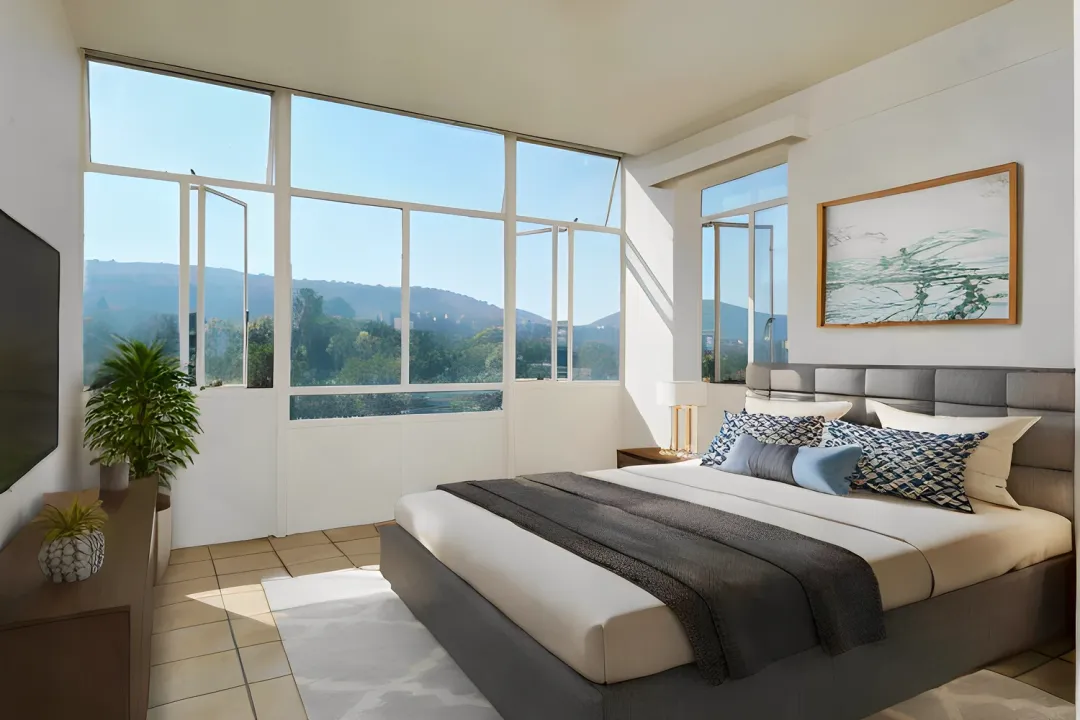
For more than a decade, virtual staging meant submitting raw listing photos to an overseas production agency and waiting 24 to 48 hours for human graphic designers to composite 3D furniture into the scene. Today, generative AI platforms render fully furnished rooms in under thirty seconds directly in a web browser. Yet despite this dramatic technological shift, traditional human-assisted virtual staging services and automated AI software both thrive in 2026. While automated tools have made digital staging accessible for every routine listing and budget rental, human artists retain distinct advantages when handling complex luxury architecture and bespoke design briefs. Choosing between a full-service agency and self-serve AI software comes down to three operational variables: turnaround speed, structural complexity, and budget constraints.
Looking for top-performing automated tools? Compare evaluated platforms in our guide to the best virtual staging software.
How a virtual staging service works
Traditional virtual staging services operate as specialized computer-aided design (CAD) and digital imaging production houses. Established industry providers such as BoxBrownie, Stuccco, RoOomy, Tantify, and PadStyler employ teams of 3D digital artists, architectural renderers, and quality control editors who process listing photos through a structured manual pipeline:
- Manual photo inspection: A production coordinator receives the high-resolution photo, evaluates the lens distortion, camera height, and room geometry, and verifies any specific client instructions (such as desired design style or furniture placement notes).
- 3D model placement: The 3D artist constructs a digital coordinate plane matching the photo's vanishing lines, manually drops in pre-modeled 3D CAD assets (sofas, credenzas, lighting fixtures, and rugs), and adjusts furniture rotation to complement room circulation.
- Custom ray tracing and shadow matching: Lighting is manually calibrated to replicate the directional window sunlight, ceiling fixture temperature, and ambient reflections evident in the original image. Realistic contact shadows are painted under chair legs and rugs.
- Multi-tier review and revisions: Before returning the file, a senior editor performs quality control to ensure baseboards, electrical receptacles, and architectural trim remain unaltered. If the client requests changes (such as swapping a leather couch for fabric), the file enters a revision cycle requiring another 12 to 24 hours.
This process delivers high precision and strict adherence to client specifications, but the manual workflow inherently requires a turnaround window of 24 to 48 hours per submission.
How AI virtual staging software works
Automated AI virtual staging software replaces manual 3D modeling and multi-day revision queues with instantaneous neural network processing. Rather than relying on human artists to construct spatial geometry, AI platforms leverage deep learning computer vision and diffusion models to furnish rooms entirely algorithmically:
- Semantic scene understanding: Upon photo upload, computer vision algorithms segment the room into architectural components: flooring surfaces, wall planes, ceilings, door thresholds, and window openings. The system calculates camera perspective and wide-angle focal lengths automatically.
- Generative diffusion rendering: Based on the selected room type (e.g., living room, primary bedroom) and aesthetic theme (modern, Scandinavian, coastal, farmhouse), the generative model synthesizes realistic furniture directly into the scene in under thirty seconds.
- Automated lighting integration: Instead of manual ray tracing, the neural network infers ambient light sources, shadow gradients, and floor reflections from existing pixels, embedding furniture seamlessly into the natural lighting environment.
- Immediate iteration: If an agent dislikes a specific furniture arrangement, they can re-generate the image instantly, cycle through alternative design styles, or apply brush masks to alter individual items in real time without submitting support tickets.
Quality: where humans still win
While AI staging models have advanced rapidly in visual fidelity, human staging artists retain clear advantages in specific edge cases and complex architectural contexts where algorithmic systems struggle:
- Hyper-luxury custom architecture: Multi-million dollar residences frequently feature non-standard architectural geometry: double-height vaulted ceilings, curved floor-to-ceiling glass walls, floating cantilevered staircases, exposed timber trusses, and sunken conversation pits. AI vision algorithms often miscalculate these complex planes, resulting in misaligned furniture legs or distorted proportions. Human artists construct exact 3D wireframes that respect every architectural idiosyncrasy.
- Exact brand and furniture matching: Luxury developers and interior designers often require specific physical furniture pieces (such as a recognizable Herman Miller lounge chair, a Restoration Hardware cloud sectional, or a specific West Elm dining set) to match a physical staging catalog or developer spec sheet. AI tools generate plausible stylized furniture, but cannot guarantee an exact manufacturer model number. Human services pull exact 3D manufacturer models from licensed asset libraries.
- Unusual camera perspectives: Real estate photographers occasionally capture wide-angle shots from extreme corners, elevated ladders, or low artistic angles. While human retouchers adjust vanishing points manually, generative models are trained primarily on eye-level shots and may distort furniture scaling when presented with extreme optical distortion.
- Complex structural preservation: In high-stakes luxury sales, avoiding accidental alterations to architectural quirks (such as historic molding, hand-carved mantels, or unique hardwood inlays) is paramount. Human retouchers ensure every physical boundary remains untouched.
Cost and speed
The choice between human staging services and AI software represents a direct trade-off between operational velocity, capital expenditure, and project scope. For a detailed breakdown of current pricing tiers across both models, refer to our comprehensive virtual staging cost guide.
Turnaround velocity
In fast-moving residential sales and high-turnover rental markets, speed is frequently the determining factor. Traditional human staging services require 24 to 48 hours for initial delivery, with additional 12- to 24-hour delays for each revision cycle. In contrast, AI platforms produce high-resolution staged photos in under thirty seconds. An agent can photograph an empty property in the morning, virtually stage the entire home on their laptop over lunch, and syndicate the listing to the MLS by early afternoon.
Cost economics: per-photo fees vs unlimited workflows
Traditional human staging services charge a discrete fee for every individual image, making it costly to stage secondary bedrooms, home offices, outdoor patios, or multiple angles of a single living room. For luxury properties where marketing budgets are substantial, this expense is easily absorbed. However, for entry-level homes, condominiums, and rental properties, paying full-service human rates across eight to ten photos per property quickly becomes prohibitive.
AI staging software alters these economics. Many automated platforms operate on monthly subscription tiers or bulk credit bundles that reduce the effective cost per photo to a fraction of traditional service rates. This allows real estate professionals to stage every vacant space in a home generously, generating multiple furniture variations to showcase flexible lifestyle potential.
Disclosure is the same either way
A common misconception among real estate agents is that traditional human virtual staging is exempt from the strict disclosure rules applied to generative AI imaging. In the eyes of MLS compliance boards, state licensing bodies, and real estate advertising regulators, the method of digital alteration is irrelevant.
Whether a human CAD designer in Melbourne composited a 3D sofa into a listing photo or a neural network generated that sofa in a cloud data center, the resulting image is legally classified as a digitally altered representation of real property. Both workflows carry identical compliance obligations:
- Clear photo labeling: Every digitally staged photo must include a clear, conspicuous disclosure indicating that the furnishings are virtual and do not convey with the property.
- Unedited original pairing: Standard MLS regulations require listing agents to include unedited, unstaged photographs of the vacant room in the listing media gallery alongside the staged versions.
- No alteration of structural defects: Neither human retouchers nor AI software may be used to remove permanent fixtures, cover water stains, alter adjacent power lines, or conceal material property defects.
In California, for example, legislative reforms under AB 723 mandate specific disclosure standards for digitally altered images in real estate marketing. For a full analysis of statutory compliance requirements, review our guide to California AB 723 advertising rules. Regulators evaluate whether an image has the capacity to deceive buyers; they make no distinction between human and AI digital staging.
Which one to choose
Neither tool universally outclasses the other. The best choice depends on property price point, listing urgency, architectural complexity, and marketing goals. Use the following decision matrix to select the right approach for your next listing:
| Listing Scenario | Recommended Solution | Primary Operational Rationale |
|---|---|---|
| Standard residential listing / vacant rental | AI Software | Rapid turnaround, highly cost-effective per-photo economics, and excellent realism on standard rectangular rooms. |
| Multi-million dollar luxury listing ($2M–$10M+) | Human Service | Custom 3D CAD modeling accommodates complex architectural features, curved glass, and strict bespoke design standards. |
| Occupied listing needing furniture removal on a tight deadline | AI Software | Automated object clearing and staging delivers clean marketing visuals in minutes. See our Virtual Staging AI review for object removal capabilities. |
| Multi-unit building or investor marketing exterior curb appeal | AI Software | Broader toolkits handle exterior facade redesigns, patio staging, and landscaping. See our HomeDesigns.AI review for exterior tools. |
| Strict brand-specified custom designer furniture requirement | Human Service | Human CAD artists can import specific 3D manufacturer furniture models matching a physical showroom catalog. |
Frequently asked questions
Is AI virtual staging as good as human virtual staging?
For standard residential rooms (bedrooms, living rooms, dining spaces), modern AI tools match human visual quality in perspective, lighting, and texture realism. Human staging artists still hold an edge in complex custom architectural spaces, floating staircases, curved walls, and exact designer brand matching.
Which is faster, a virtual staging service or AI software?
AI software is dramatically faster. Automated platforms generate rendered images in under 30 seconds directly in your web browser, whereas human virtual staging services typically require a 24- to 48-hour turnaround plus additional time for revision cycles.
Can AI virtual staging replace BoxBrownie?
For everyday listing photography, tenant turnovers, and routine property sales, AI virtual staging software has effectively replaced the need for human-managed turnaround services. However, BoxBrownie and similar boutique agencies remain relevant for high-end luxury properties requiring bespoke architectural modeling.
Do MLS rules treat human virtual staging differently than AI staging?
No. Real estate advertising regulations, local MLS policies, and statutes like California AB 723 evaluate digital alteration identically regardless of whether the modifications were made by a human designer or an AI model. Clear disclosure and unedited original photos are required in both cases.
When is a traditional virtual staging service worth the extra cost?
A full-service human provider is worth the premium when marketing multi-million dollar luxury estates with unique custom finishes, when an interior designer requires exact physical furniture pieces to match a showroom catalog, or when photos feature highly irregular angles and complex lighting.