Every search for ai home exterior design free turns up endless lists of apps promising instant, zero-cost property makeovers. The reality is more nuanced: free tiers in this sector are real, functional, and genuinely useful for exploring initial concepts, but they are commercial trials engineered to convert curious users into paying subscribers. Generating high-resolution diffusion renders against outdoor facades demands intensive server-side GPU processing, which means platforms rarely hand out unrestricted exports. Knowing exactly what a free tier provides—and where the inevitable boundary sits—saves hours of uploading photos into platforms that ultimately hold the finished image behind an unexpected checkout screen.
What "free" usually means for exterior AI tools
When software vendors advertise free ai exterior design or zero-cost curb appeal enhancements, they almost never mean open-ended, production-ready rendering. Because running stable diffusion checkpoints against exterior elevation photos incurs measurable computing expense, platforms protect their unit economics by placing hard restrictions on unpaid accounts. In practice, anyone exploring free ai house exterior design runs directly into one of four distinct functional walls:
- Watermark overlays: Many platforms allow you to process a facade photo and view the result, but stamp an unmistakable diagonal logo, banner, or tiled pattern across the final render that obscures architectural details and prevents professional use.
- Resolution caps: Unpaid renders are frequently constrained to low-resolution preview dimensions (such as 720p or heavily compressed JPEGs) that look adequate on a compact smartphone screen but reveal severe pixelation, blurry siding grain, and artifacting on desktop displays or print media.
- Generation limits: Free accounts typically receive a rigid one-time allotment—often between one and three complimentary credits—after which the generation engine locks entirely until billing credentials are supplied.
- Commercial-use restrictions: The legal licensing terms attached to free tiers regularly prohibit using generated imagery for real estate listings, client marketing brochures, advertising campaigns, or commercial presentations.
Among these constraints, the commercial licensing wall is the most critical for real estate professionals. While a homeowner can comfortably ignore licensing text when deciding between charcoal trim and white paint, an agent uploading an uncredited, free-tier render to a Multiple Listing Service (MLS) risks copyright disputes or platform policy violations.
Free without an account — is it possible?
A frequent query among renovators and listing agents is whether it is possible to find an ai home exterior design free without login option. The desire is understandable: users want to upload a quick snapshot of a porch or facade and see how the neural network handles it without handing over an email address or entering a promotional marketing funnel.
In practice, fully anonymous, account-free rendering is virtually non-existent for modern architectural AI. A small number of web platforms maintain an open canvas where an initial upload can be submitted, generating a tiny, watermarked thumbnail preview directly within the active browser tab. However, the moment a user attempts to zoom in, inspect siding lines, or download an exportable file, the interface halts and presents an obligatory account registration dialog.
This operational reality is driven by simple infrastructure realities. GPU cloud instances processing high-parameter vision models represent real variable costs. If a software provider permitted unrestricted, anonymous access without requiring user authentication, automated scripts and web scrapers would rapidly exhaust their server capacity. Consequently, any genuine test of an exterior design engine requires registering an account with a verified email address.
What you can realistically get done on a free tier
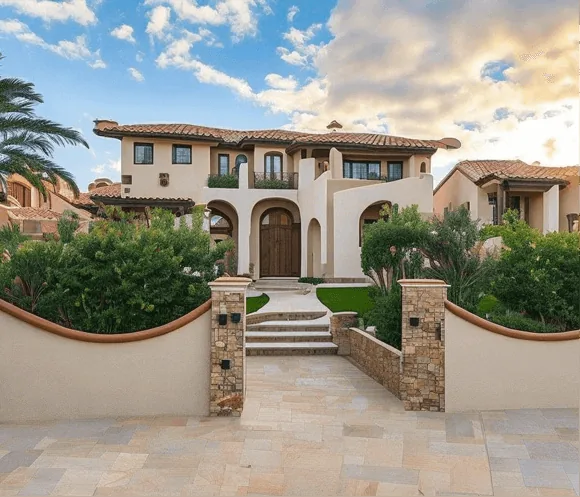
Recognizing the operational walls of a free tier allows you to deploy unpaid tools strategically rather than expecting them to deliver completed marketing campaigns. AI exterior home design excels at altering siding textures, paint palettes, roofing shingles, window frames, hardscaping paths, and landscaping plantings from an existing elevation photo without requiring 3D CAD modeling. For a comprehensive breakdown of architectural capabilities, visual boundaries, and structural limits, see our complete guide to AI exterior home design.
When working strictly within the confines of an unpaid trial or introductory balance, there are several concrete, high-value tasks you can accomplish with zero capital outlay:
Testing Paint & Siding Directions
Generating two or three quick variations to compare traditional horizontal white lap siding against modern dark vertical board-and-batten on an outdated frontage.
Assessing Landscaping Impressions
Evaluating whether swapping out an overgrown lawn for structured ornamental grasses, garden beds, and fresh walkway pavers changes the visual weight of the entryway.
Briefing Contractors & Clients
Providing a painter, landscaper, or property owner with an immediate visual reference point for a proposed aesthetic direction before formal estimating begins.
For these preliminary discovery tasks, a low-resolution render or a watermarked draft is completely acceptable. The objective at this stage is directional consensus—determining whether an exterior renovation concept has aesthetic merit before allocating real design or construction budgets.
Where the free tier stops being enough
While an ai exterior home design free tier functions admirably as an exploratory sandbox, it quickly breaks down when applied to professional deliverables. Knowing where the ceiling sits prevents wasted effort and avoids last-minute surprises when preparing property materials:
- Published real estate listings: Real estate boards and regional MLS portals enforce strict photo submission guidelines. Renders bearing third-party software watermarks, fuzzy resolutions, or promotional branding will fail portal checks or draw complaints from regional compliance managers.
- Large-format and print collateral: Sub-1080p preview exports lack the pixel density required for high-DPI yard signs, printed listing feature sheets, or client presentation folders. Printed at standard brochure scales, free-tier exports display jagged roof edges and blurry foliage textures.
- Commercial licensing coverage: Using digital imagery to market a residential property for sale constitutes commercial promotion. Operating under a free evaluation license exposes agents and brokerages to terms-of-service violations if the platform audits marketing assets.
- Iterative, high-volume production: Property renovations rarely settle on the first generation. Exploring alternative paint sheens, testing day-to-dusk lighting transformations, or adjusting garage door styles requires iterative prompts that consume more credits than any unpaid tier provides.
Tools with free access we have covered
Many online directories list dozens of supposed zero-cost tools without verifying what their unpaid modes actually deliver. In our independent evaluations of architectural rendering platforms, we examine the practical accessibility of free tiers directly. Here is what our published reviews have documented regarding unpaid access across the tools we cover:
Redraw: Designed specifically for architectural workflows, rendering from sketches, photos, and wireframes. As detailed in our published Redraw review, the platform provides a free tier and introductory credits that allow users to test its rendering engine and architectural outputs without forcing an immediate ongoing subscription commitment.
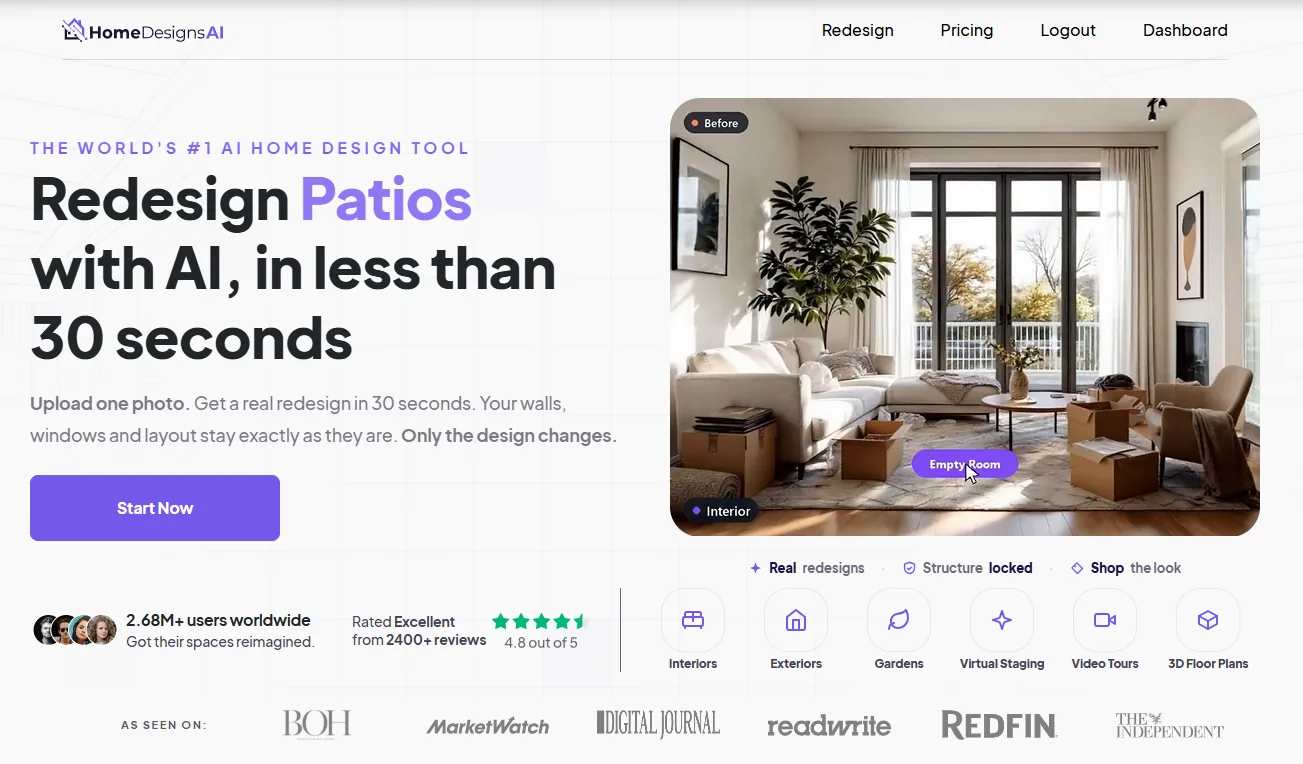
HomeDesigns.AI: A comprehensive platform spanning interior staging, outdoor facade redesign, and curb appeal enhancements. Our HomeDesigns.AI review notes that while full feature access and unwatermarked exports require paid plans, the software offers trial access for users to evaluate how its AI recognizes siding textures, hardscaping, and landscaping elements.
Collov AI: A robust real estate photo-editing suite that includes specialized day-to-dusk conversions, twilight restyling, and exterior modification tools. Our Collov AI review highlights that initial trial credits permit users to test twilight transformations and basic facade revisions, though high-resolution downloads and commercial staging workflows remain tied to paid tiers.
Virtual Staging AI: Focused primarily on rapid, automated staging turnarounds. As documented in our Virtual Staging AI review, the platform operates a time-limited trial model rather than a perpetual free tier, allowing users to test output speed and visual staging quality before committing to an active tier.
AI HomeDesign: A suite offering exterior restyling, virtual staging, and day-to-dusk modifications. As covered in our AI HomeDesign review, introductory evaluation credits enable users to test its generative toolset, though users should pay careful attention to account management and subscription billing practices once moving beyond initial trial testing.
Notice what these platforms share: every provider uses free access as an introduction to their rendering pipeline. For users who need ongoing production capacity or unwatermarked high-resolution files, examining our comprehensive comparison of the best virtual staging software helps determine which platform justifies an investment based on output quality rather than promotional marketing.
Free for a homeowner vs free for an agent
The practical utility of a free tier depends entirely on who is sitting at the keyboard. The gap between what a private homeowner requires and what a licensed real estate professional demands is substantial:
For the private homeowner: A free tier is often completely sufficient. If you are an owner contemplating whether a brick ranch would look better with white limewash or modern cedar cladding, you do not need commercial licensing, print-quality DPI, or a clean canvas free of corner watermarks. You can comfortably test an introductory prompt on one tool, switch to another platform for a second trial generation, and take the low-resolution screen captures to your local hardware store or contractor. A homeowner exploring options can live inside free tiers indefinitely.
For the real estate agent or photographer: Free tiers almost always fail the professional threshold. Publishing photos to an MLS, distributing digital brochures, or staging an active listing requires unwatermarked files, minimum resolution thresholds (typically 2048 pixels on the long edge or higher), and full commercial marketing rights. Furthermore, agents must adhere to strict consumer disclosure standards when presenting altered property visuals. For an actionable guide to staging protocols, photography standards, and listing disclosures, read our step-by-step walkthrough on how to virtually stage a home.
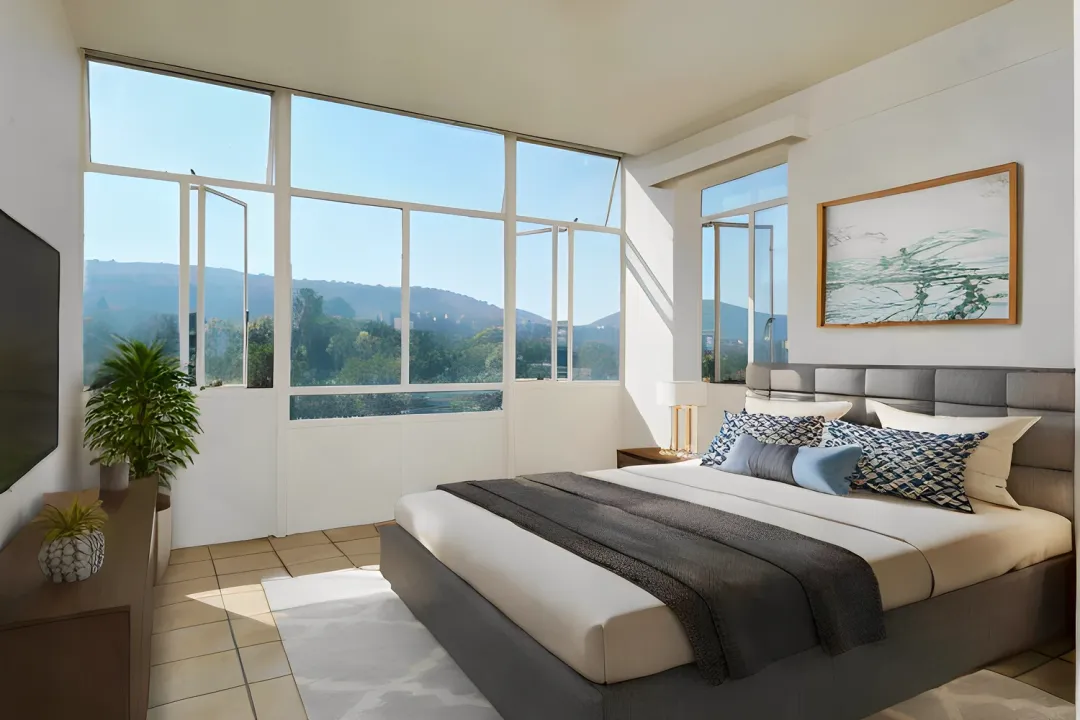
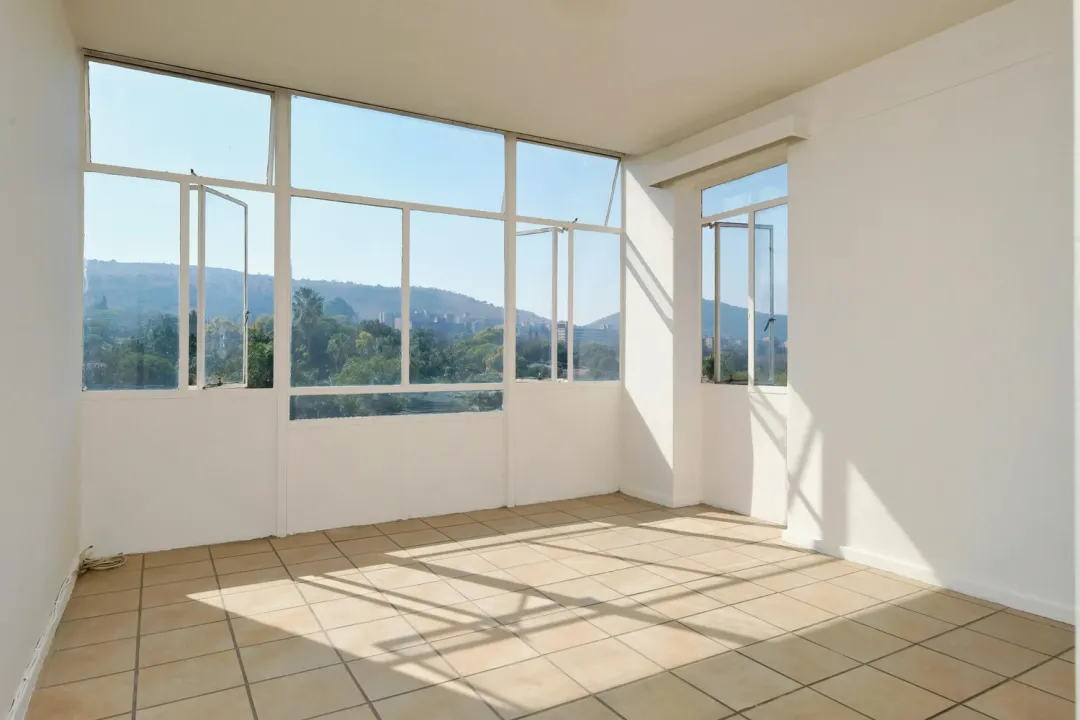
Additionally, if you are an agent seeking zero-cost solutions for indoor rooms rather than outdoor facades, keep in mind that interior staging involves completely different furniture-placement engines and style libraries. Be sure to explore our companion piece on free virtual staging software for interiors for an honest assessment of unpaid room-staging tools.
Frequently asked questions
Is there a genuinely free AI exterior home design tool?
Permanent, completely unrestricted free tools do not exist in this category because running generative diffusion models on high-resolution facade photos requires costly GPU computing power. What exists instead are free trial allocations, freemium tiers with watermark overlays or low export resolutions, and credit-limited introductory plans designed to demonstrate platform capability before an upgrade.
Can I use a free AI exterior render in a real estate listing?
In almost all circumstances, no. Multiple barriers prevent free renders from going onto active listings: prominent watermarks that breach MLS listing presentation standards, sub-1080p resolution caps that look pixelated across modern property portals, and terms of service that explicitly restrict free-tier outputs to personal, non-commercial evaluation.
Do free AI exterior tools watermark the image?
Yes, watermarking is the primary mechanism software vendors use on unpaid tiers. Most tools apply either a solid logo in one corner, a repetitive translucent pattern across the facade, or an overlay banner that states the image was generated by an unpaid evaluation account.
Can I redesign a house exterior with AI without creating an account?
A handful of platforms permit users to upload a photo and render an initial preview directly in the browser without registering. However, the resulting visual is typically low-resolution, non-downloadable, or watermarked, and exporting a clean, usable file consistently triggers a registration and login barrier.
How many exterior design revisions can I realistically generate on a free trial?
Most introductory allowances provide between one and three complimentary render credits. Because facade exploration often requires testing separate siding styles, color palettes, and landscaping schemes, free allocations are typically exhausted within a single exploratory sitting.
How does free AI exterior design differ from free interior virtual staging?
Free interior virtual staging focuses on inserting digital furniture into enclosed rooms with fixed walls, floors, and ceilings. Free AI exterior design involves rewriting outdoor architectural textures, re-cladding entire building envelopes, adjusting daylight conditions, and restructuring broad landscape grounds.